 Back
Back
How to Improve Programmatic Ad Viewability Without Affecting User Experience
Zuzanna Sieja
2023-09-25
 Read more

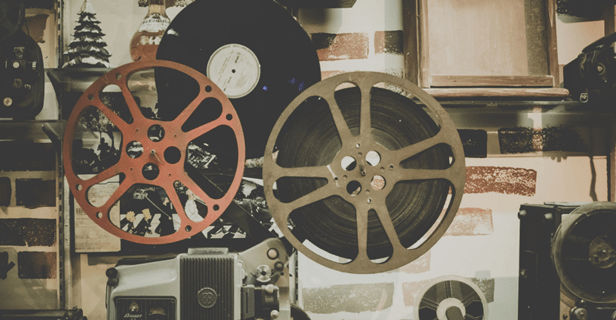
When it comes to digital publishing, everyone is talking about video. Advertisers love it, users love it, platforms like Facebook and Google love it – everybody loves it. But the people who benefit most from the video are definitely publishers.
It diversifies your web content, helps you hold user attention, and the likes of Facebook and Google are always eager to promote it. And it’s great for your audiences because it’s the type of content they enjoy the most. It’s not a big stretch of the imagination to say that video will be the fastest developing form of advertising in 2017.
So if you want to boost your efficiency and sales in the Programmatic model, you’re going to have to implement video content. And thankfully, it’s not as difficult as it seems.
So you want to make video content, but where do you start? Well, you have to create a video first! You can use some of your own photos and music, or you can find stock pieces. And you don’t even need a professional voice over – for example, Facebook’s default option doesn’t involve a voice-over, instead suggesting you use text. You have a lot of options, so let’s take a look at how to make a video, step by step.
Before making anything, you need an idea. What will your video be about? You can’t move forward without that. But if you’re already reading this, then you probably have plenty of ideas in your head. The question is which one to choose. So let’s narrow it down.
Make a video about anything on your website. Don’t stray too far from the topics relating to your website. And try to make people feel something. An emotional reaction can make your video that much better, holding their attention longer and giving them more reason to stay on your website. And if you play your cards right, your video might become viral and could spread all over social media. Who doesn’t want that?
Next, you need to sketch out a plan for your video. Don’t focus too much on anything outside the catchiest part of the video and the message you want to communicate.
It could be anywhere in your video, just make sure you build around that. You have to think about where it starts, where it ends, and what happens in between, but that comes later. So make sure you figure out what you really want to communicate and the best way to communicate it, making the next step all the easier.
Make a short storyboard. Sketch out some basic shots, and figure out how you want to arrange them. This is where you can focus on what happens in your video from start to finish, creating a rough outline for you to work with.
Music is important in every video, including yours. It should be something fun and catchy, as long as it matches the content of your video. Avoid sounds that are annoying or intrusive – that’s just going to make viewers stop watching.

Now it’s time to work on your content – what exactly is going to happen in your video? Try and include a short claim if you have one, along with the additional short text. Keep it under 2 sentences. Nobody wants to read a lot in a video, so try to make things as visual as possible.
Remember to include lots of action shots! Changing shots often, with a variety of images and scenes, will help grab and keep people’s attention.
They add a lot of dynamics to your video. And remember that if you have any text that you want them to read, make sure it’s there long enough for people to read it. This is something else that could annoy viewers, and you have to avoid that as best as you can.
Now here are a few tips and tricks about shots you can use to improve your video. These types of shots can help get the exact mood and feel you want to set in your video. Just keep in mind the type of video you’re making and if you can apply these successfully.
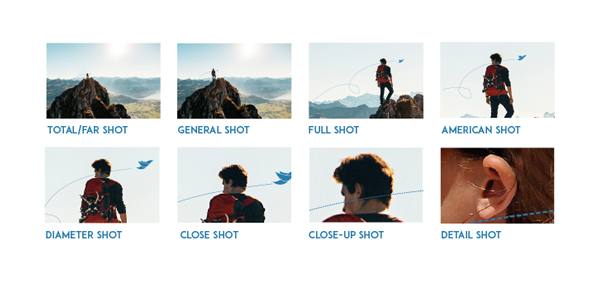
The best way to use these techniques is to change every other shot – so if in the first take we use a ‘detail’ shot, the next frame should use ‘close’ or a farther away shot. If you use the same shot one after the other (Like using ‘American’, followed by ‘American’), it’s going get boring fast. Remember that dynamics matter!
Now create your short film. Try not to make it too long, or that will bore your audience. Make it concise and to the point! The shorter your movie is while still communicating your message, the better (max 4-5 minutes).
That wasn’t so hard after all! So, are you ready to make some Hollywood magic in your newsroom?

Karol Jurga
Chief Revenue Officer
See it in action.
Zuzanna Sieja
2023-09-25
Read more

Oliwia Gruszewska
2023-06-27
Read more

Vadym Kriuchok
2023-05-31
Read more

Piotr Niedziela
2023-04-27
Read more